Introduction: why DNSSEC matters for SaaS platforms and tenant domains
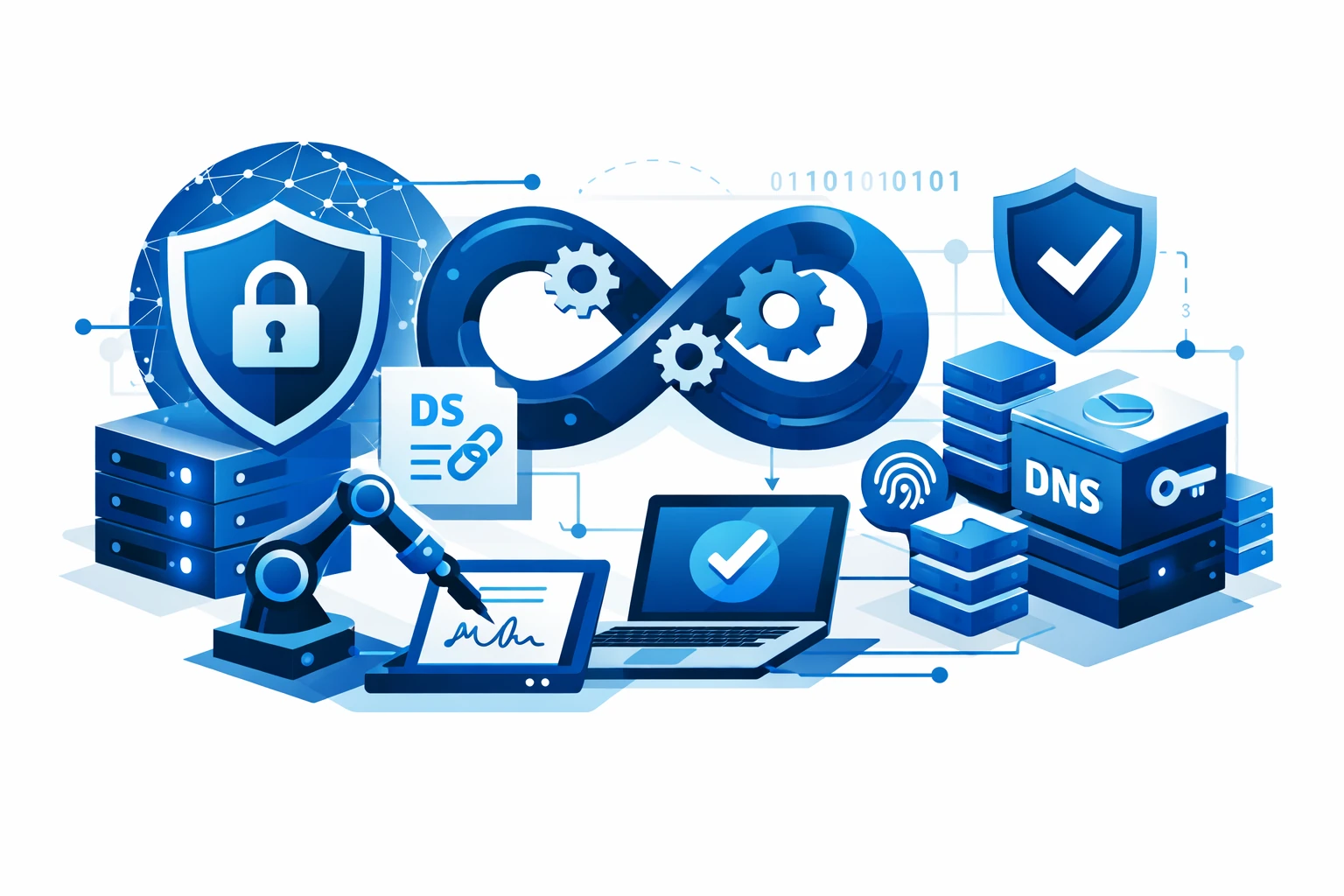
For software-as-a-service (SaaS) platforms that manage dozens, hundreds, or thousands of tenant domains, the DNS face is a practical attack surface. DNSSEC mitigates cache poisoning and man-in-the-middle risks by ensuring the integrity of DNS responses from authoritative sources. In multi-tenant environments, where each tenant might own a subdomain or a delegated zone, the operational complexity of signing, publishing DS records, and rotating keys scales with the portfolio. A deliberate, DS-first deployment approach helps align security with tenancy models, reduces the chance of validation failures, and creates a clear chain of trust from root to every tenant zone. As with any security control, the value of DNSSEC grows when it is paired with automation, monitoring, and well-defined response plans. Expert insight: automation isn’t optional in multi-tenant contexts—without it, key rollovers, DS publication, and zone signing become a bottleneck that undercuts the protection DNSSEC provides. This view is echoed in guidance on delegating DNSSEC for subdomains and in DS-management best practices. (cloud.google.com)
Understanding the DS publication challenge in multi-tenant environments
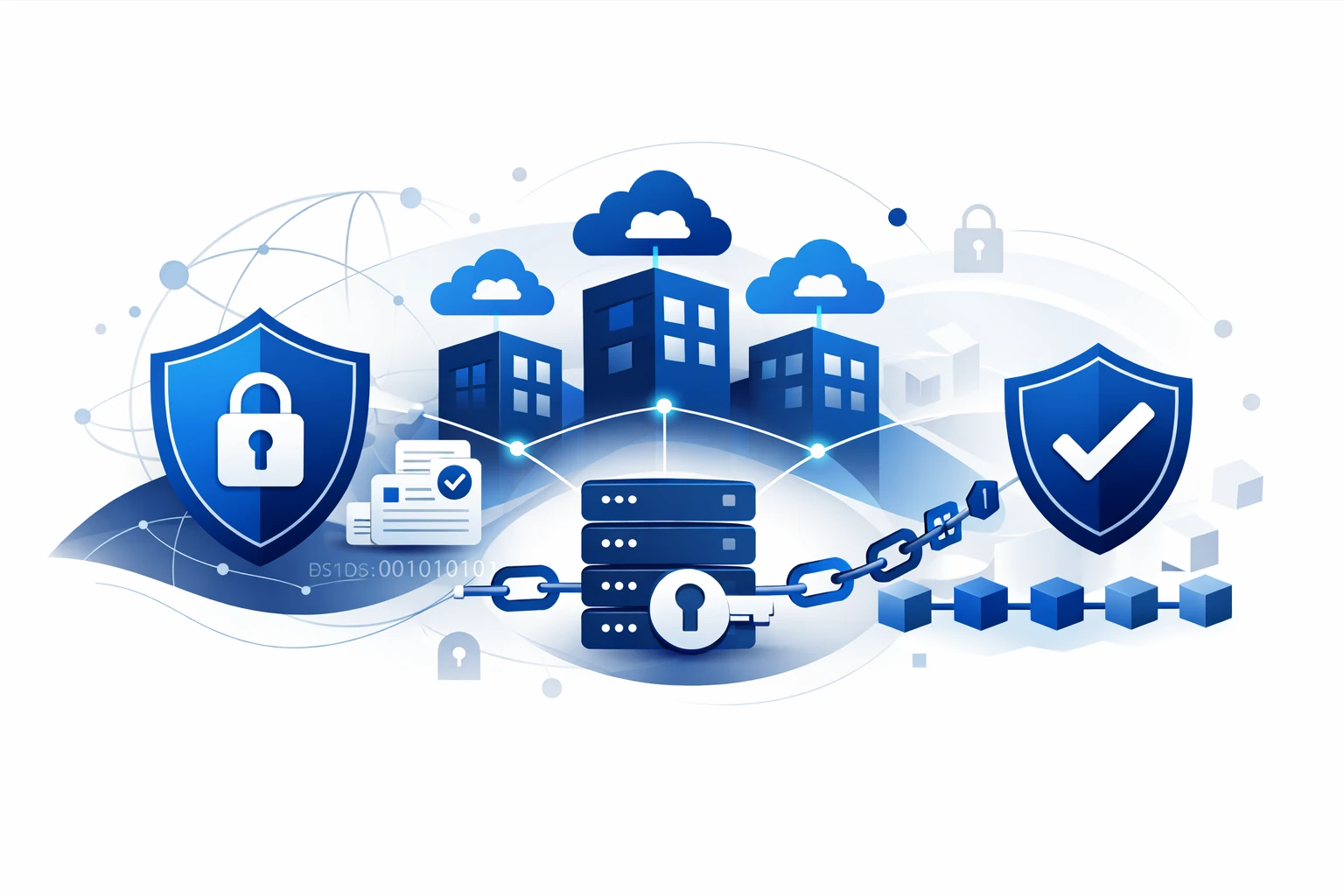
DNSSEC security rests on a verifiable chain of trust: root -> TLD -> authoritative zones. In a SaaS scenario, tenants may require their own subdomains (for example, tenant1.example SaaS.internal) or even separate signed zones for each customer’s namespace. The critical operational step is DS publication in the parent zone to establish trust for the child zone’s DNSKEY set. If DS records at the parent do not match the child’s DNSKEYs, validating resolvers will reject responses, producing SERVFAIL alongside user-visible errors. This mismatch problem is a frequent source of downtime and support tickets. Modern cloud-native DNS providers and best-practice guides describe publishing DS records for delegated subdomains and maintaining alignment across zones. (cloud.google.com)
From a SaaS engineering perspective, the “DS-first” mindset means you plan and automate at provisioning time. This includes how you map tenants to zones, when and how to publish DS records, and how to coordinate key material rotation with the registry. The technical nuance is that there are several layers of delegation: the parent domain’s zone signing, the child zone’s signing, and any intermediate delegations. Any misalignment across these layers can break the chain of trust and cause widespread validation failures. Guidance from practitioners and industry docs consistently emphasizes the importance of end-to-end automation and explicit change-control around DS and DNSKEY management. (cloud.google.com)
A practical framework: DS-First Multi-Tenant Deployment
The following framework is designed to scale with tenant growth while preserving the integrity of the DNS chain of trust. It emphasizes explicit DS management, automation, and observability across the SaaS tenancy model.
- Step 1 — Map tenants to zones and delegations: Decide whether tenants get their own signed zone or share a delegated subzone. A clear mapping informs DS publication points and automation scope. This planning step should be revisited whenever tenancy models change.
- Step 2 — Sign and publish DS for parent-to-child delegations: For each delegated subzone, publish a DS record in the parent zone that corresponds to the child zone’s DNSKEY set. This is the formal statement of trust for the delegation chain. Cloud DNS providers describe enabling DS for delegated subdomains as part of the delegation workflow. (cloud.google.com)
- Step 3 — Automate DNSKEY rollover and DS updates: Put in place a rotation cadence and automation for DNSKEY generation, RRSIG signing, and corresponding DS updates at the registrar/registry. The automation should trigger when keys are rotated, ensuring the DS records at the parent are always in sync with the child’s DNSKEYs. Operational guides and troubleshooting literature highlight this as a critical automation point. (cloud.google.com)
- Step 4 — Establish monitoring and alerting for validation events: Use DNSSEC validation dashboards and public validators to detect mismatches (DS vs DNSKEY), expired signatures, or missing DS records. When a validation error arises, rapid remediation is essential to minimize customer impact. Industry troubleshooting guides emphasize DS mismatch as a leading cause of SERVFAIL in production. (developers.google.com)
- Step 5 — Integrate with tenant provisioning workflows: Tie DS publication and DNSKEY management to tenant lifecycle events (provisioning, updates, exits) so that DNS security automates alongside business workflows. This reduces the risk of stale or orphaned delegations and helps maintain a consistent chain of trust across a tenant portfolio.
To operationalize Step 2, the DS record you publish must be a faithful reflection of the child zone’s DNSKEY set. If the DS at the parent does not reflect the child’s current DNSKEY, resolvers may fail validation. This pattern appears repeatedly in DNSSEC troubleshooting literature and is a common root cause of SERVFAIL for signed domains. (developers.google.com)
Operational patterns: a matrix of pitfalls and mitigations
In practice, the most impactful mistakes in DS-first deployments are predictable and addressable with guardrails. The table below summarizes common pitfalls and practical mitigations for a SaaS context.
- Pitfall: Skipping DS publication when enabling a new delegated subzone. Mitigation: Automate DS creation and registry publication as part of tenant provisioning.
- Pitfall: DS mismatch after DNSKEY rotation. Mitigation: Implement an automated workflow that updates DS in the parent zone within a strict SLA after DNSKEY rollover. (developers.google.com)
- Pitfall: Leaving stale or expired DS records in the registry. Mitigation: Validate DS lifecycle against key material with automated cleanup of obsolete records.
- Pitfall: Complex tenant onboarding without visibility into zone signing boundaries. Mitigation: Maintain a central governance view of which tenants own which zones and their signing status. (docs.oracle.com)
- Pitfall: Relying on a single DNS provider for all delegations. Mitigation: Use a layered approach with dedicated delegation zones and explicit DS management to reduce blast radius in case of provider issues.
DNSSEC, DNSKEY, DS, and DANE: a quick tech deep dive for tenants
Understanding the core records helps translate security into concrete operational steps:
- DNSKEY: The public key set used to sign DNS records in a zone. Rotating DNSKEYs requires careful DS updates at the parent zone to maintain trust in the chain of trust. (arin.net)
- DS record: The Delegation Signer record in a parent zone that asserts the child zone’s DNSKEY set. When mismatched, resolvers treat the child as unsigned, leading to validation errors. (developers.google.com)
- RRSIG: The signatures that bind each DNS record to a DNSKEY. Timely RRSIG renewal is essential when keys rotate; otherwise, signatures may expire and break validation.
- TLSA (DANE) and TLS security: For TLS security bindings, TLSA records can be used to pair TLS certificates with DNSSEC-enabled domains, adding an additional layer of trust, often discussed in the context of TLS security and DNSSEC. See DANE discussions for context. (en.wikipedia.org)
Monitoring and troubleshooting in practice
Even with a robust DS-first framework, incidents happen. Typical troubleshooting paths focus on DS/DNSKEY mismatches, expired signatures, and NS misconfigurations. For example, when a domain experiences SERVFAIL despite DNSSEC being enabled, the root cause is often a DS mismatch or an unsigned response that violates the chain of trust. Public validators and diagnostic tooling (such as DNSSEC analysts and validators) are essential for rapid root-cause analysis. The guidance landscape emphasizes verifying that DS records at the parent zone match the child zone’s DNSKEYs, and ensuring the registries reflect the updated keys promptly. (developers.google.com)
Putting it into practice: how to implement with dnssec.me and client resources
A DS-first strategy aligns well with a SaaS portfolio that includes a mix of tenant subdomains and potentially separate zones. The adoption pattern described here complements existing domain-portfolio management workflows. For teams looking to explore domain portfolios and related domain data, the following client resources can help contextualize domain strategies and pricing models: WebAtla's list of domains by TLDs and WebAtla pricing provide a sense of the breadth of domains and the cost considerations involved in managing a large domain landscape. For broader research into domain data and registry interactions, you may also consult RDAP & WHOIS Database as a reference point for ownership and provenance during onboarding and changes.
From an implementation perspective, consider tying DS publication and key-roll workflows into your CI/CD pipelines and tenant provisioning APIs. If you are exploring a multi-tenant SaaS scenario, you can pair this approach with a structured checklist and automation that mirrors the DS-First framework described above. For teams that prefer authoritative design patterns and practical workflows, references on DS publication for delegated subdomains offer actionable steps for enabling DS in hierarchical DNS deployments. (cloud.google.com)
Limitations and common mistakes to avoid
DNSSEC is powerful, but it is not a silver bullet. It presumes that all delegations are properly signed and that registries reflect the correct DS data in a timely fashion. Some known limitations and pitfalls in multi-tenant deployments include:
- Automation gaps: Without end-to-end automation, key rollover and DS publication can lag behind tenant provisioning, creating windows of trust gaps. An automation-centric approach helps close these gaps. (cloud.google.com)
- Registry propagation delays: Even after DS changes are published, registries may take time to propagate the new data, which can temporarily break validation for some resolvers. Plan for propagation cycles and monitor visibility across validators. (developers.google.com)
- DS and DNSKEY drift: If the parent DS record is not updated to reflect the current DNSKEYs in the child zone, validation will fail. Regular reconciliation is essential.
- Unclear ownership of zones: In large portfolios, ambiguous ownership can slow DS updates. A governance model that clearly assigns owners to tenants and zones reduces risk of stale delegations. (docs.oracle.com)
- Over-reliance on a single provider: While a primary DNS provider can be convenient, multi-provider strategies require robust cross-provider DS management and consistent policy enforcement to avoid divergent trust anchors.
Expert insights and practical cautions
Top practitioners emphasize that the security gains from DNSSEC are meaningful only when coupled with disciplined operations. An industry perspective on DS publication and delegation suggests that the real gains come from repeatable, auditable processes that cover key material management, DS publication, and monitoring. In other words, DNSSEC is as much about process as about cryptography. This view aligns with the automation-first stance recommended by cloud DNS architects who describe DS management for delegated subdomains as a tractable but non-trivial automation problem. Limitations in DNSSEC deployments typically surface when automation is incomplete or human-in-the-loop steps slow down changes, increasing the risk of stale trust data. (cloud.google.com)
Conclusion: a disciplined, scalable path to tenant-domain DNS security
For SaaS platforms, DNSSEC is a practical means to extend trust precisely where you need it—between your parent domain, delegated tenant zones, and the resolvers your customers use. The DS-first deployment pattern, when paired with automation, governance, and continuous monitoring, creates a scalable approach to DNS security that grows with your tenant portfolio without sacrificing reliability. As you expand, keep the DS-DNSKEY alignment tight, monitor DS publication regularly, and design provisioning workflows that treat DNSSEC as an intrinsic part of the tenant lifecycle. In a landscape where DNS validation failures can undermine user confidence, a robust, automated DS-management strategy is a competitive differentiator for modern SaaS platforms.
Further reading and tooling guidance can be found in the general DNSSEC troubleshooting literature and vendor-specific guides. For teams exploring related domain data and portfolio considerations, the client resources cited above provide practical context for how a large DNS footprint can be managed responsibly.